Club Med Ruins
Bahamas
At a glance
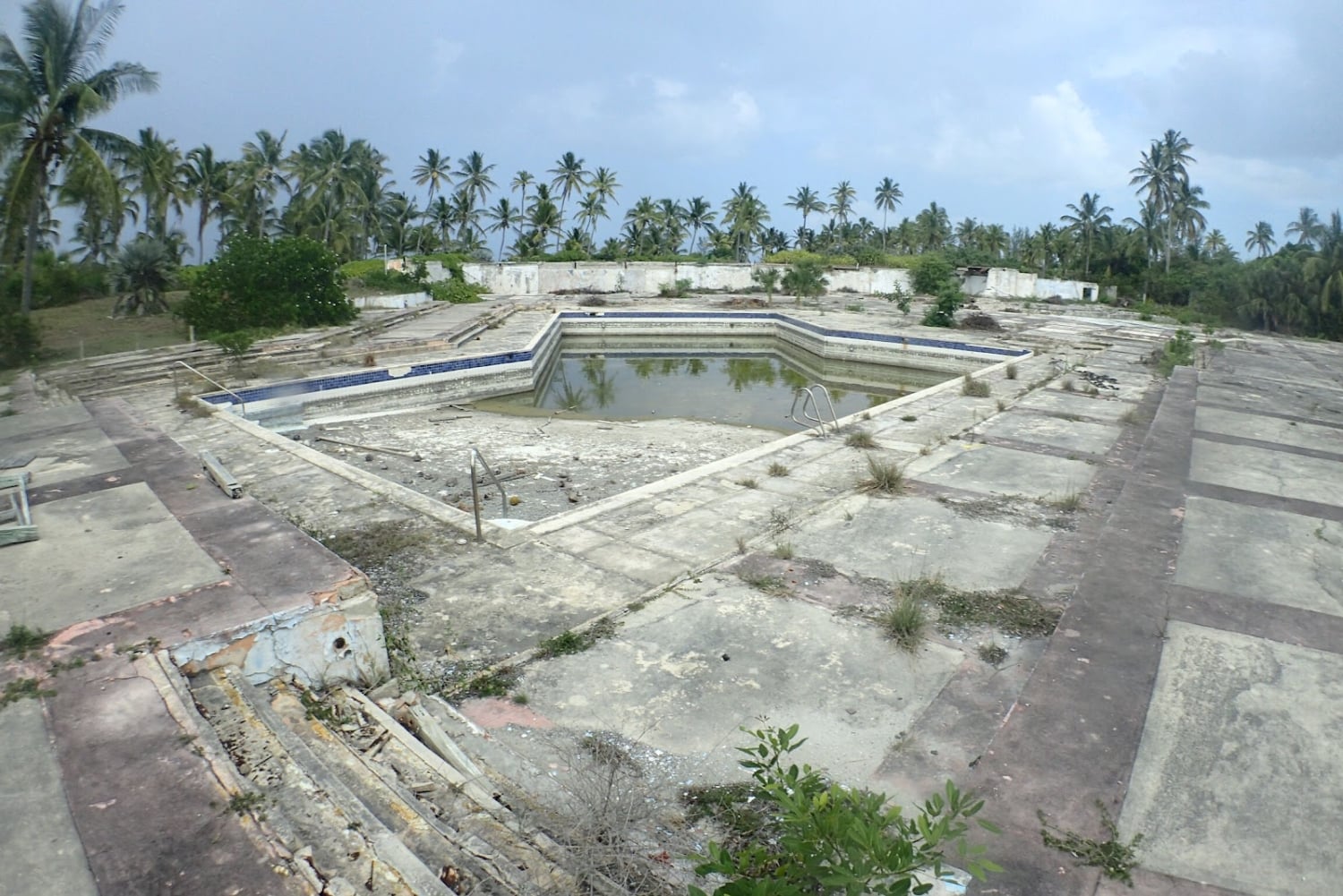
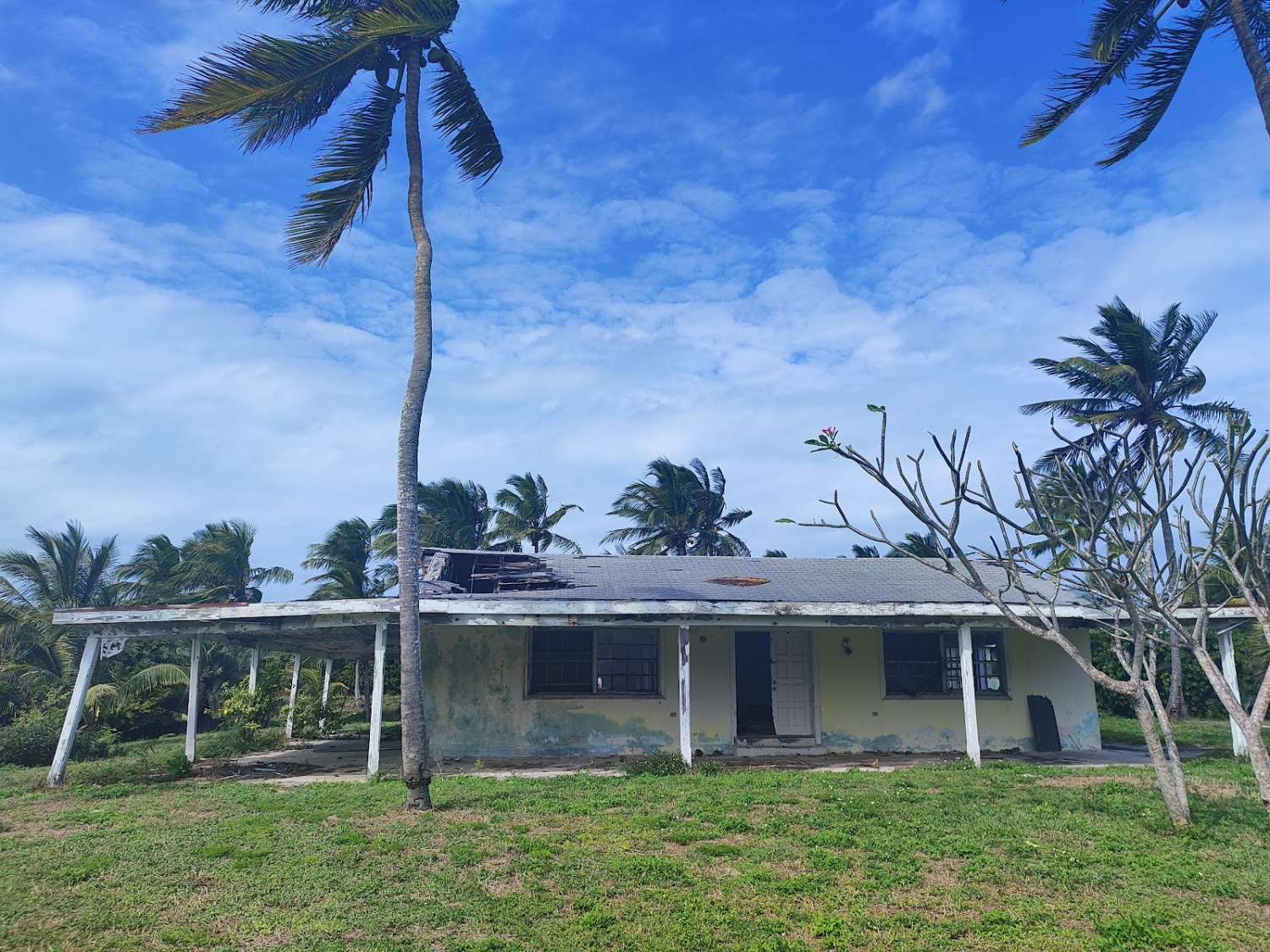
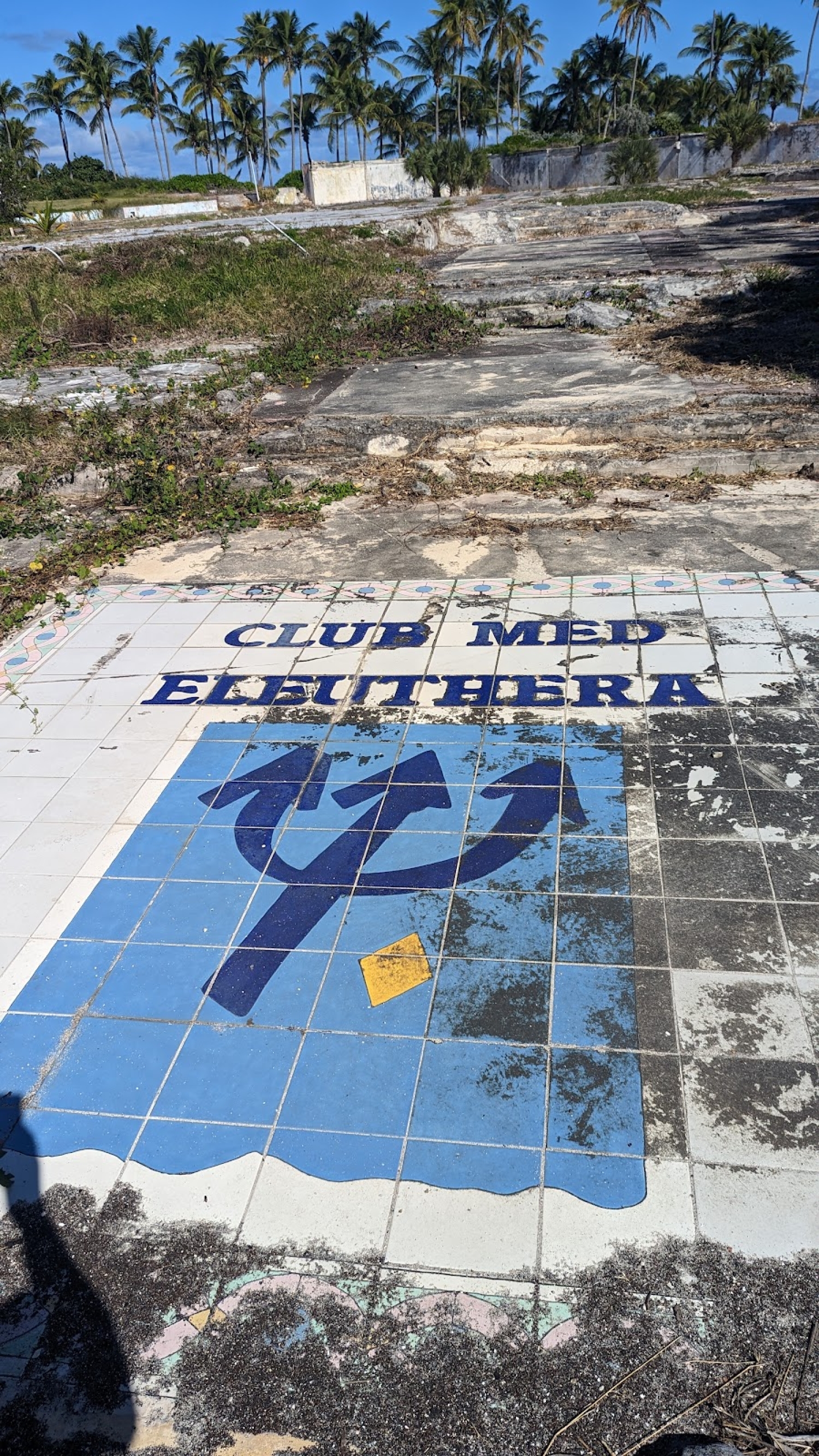
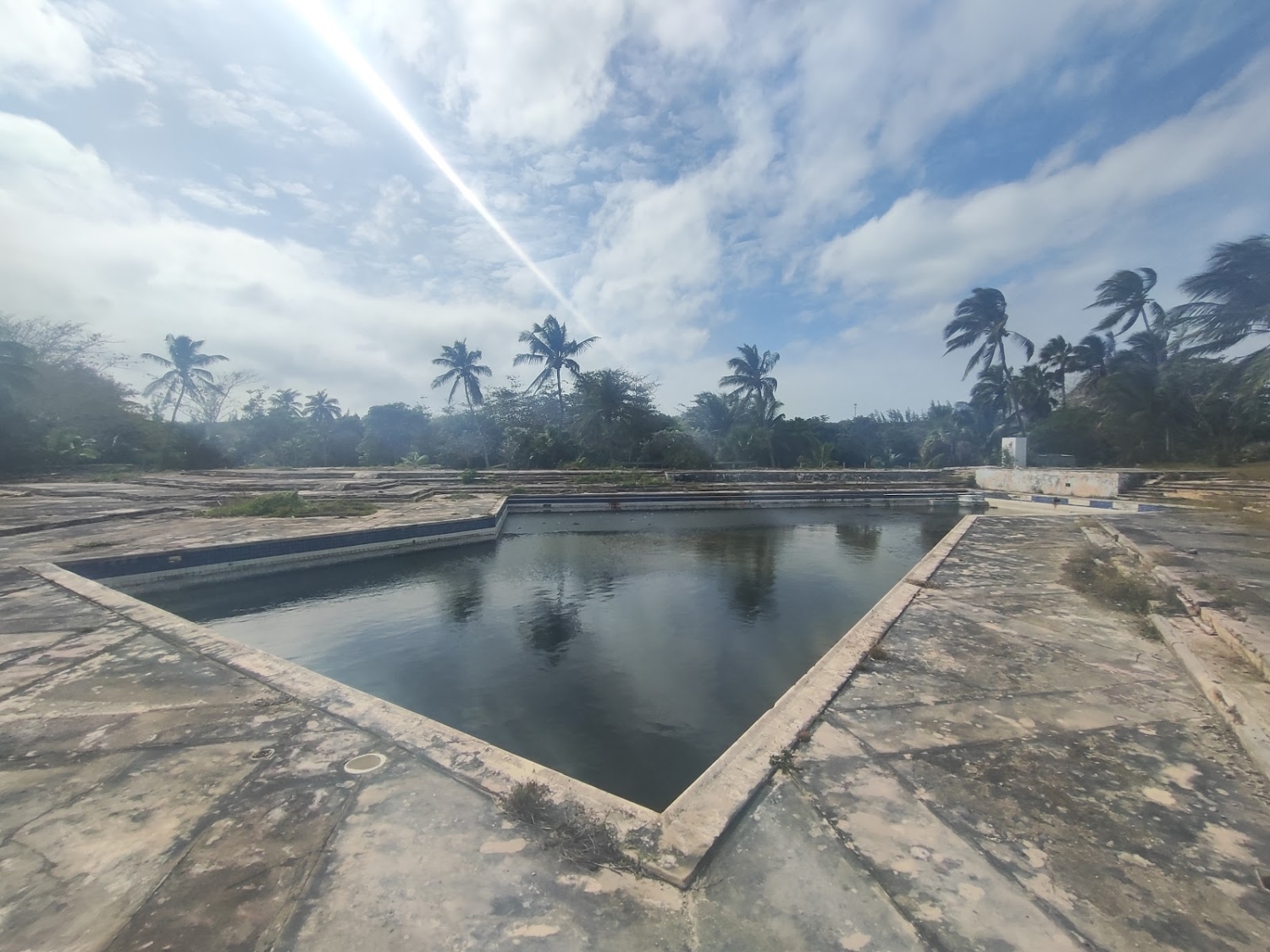
Club Med Ruins is a historical landmark in Governor’s Harbour, The Bahamas. The site is listed as a historical place, point of interest and establishment, giving it a cultural and heritage-focused character rather than the profile of a restaurant, hotel or entertainment venue. Its identity is tied to the history represented by the ruins and to the wider sense of place found around Governor’s Harbour.
The landmark suits visitors who are interested in historic sites and local points of interest. Club Med Ruins offers a setting for considering the area’s past through a named location preserved as part of the local landscape. The description of the site remains centered on its historical character, making it relevant to travelers who prefer heritage stops, independent exploration and places connected with the story of a destination.
Located at 6Q28+P86 in Governor’s Harbour, Club Med Ruins is a specific point of interest within the settlement. Its listing places it among the area’s historical locations, giving it a different role from a conventional attraction built around activities, dining or retail. The site’s appeal comes from its connection to history and from the opportunity to include a recognized landmark in an exploration of Governor’s Harbour.
Club Med Ruins can complement a broader visit to the area for travelers seeking a quiet, place-based experience. The landmark is best understood as a heritage stop, with the surrounding setting providing context for its location in The Bahamas. Its category and name establish a clear connection to ruins and local history without requiring the site to be presented as a formal museum or guided attraction.
With a rating of 4.2 from 20 reviews, Club Med Ruins has attracted positive interest as a point of interest. The listing is suitable for travelers building an itinerary around historical places and for those who value locations with a connection to the character of Governor’s Harbour. The landmark’s straightforward appeal is its historical identity, its recognized location and its role as a place to encounter part of the area’s past.